Let’s be honest — most of us use banks almost every day, but we rarely think about how the whole system actually works. You might have a savings account, maybe you’ve taken a loan, or you use UPI all the time. But if someone suddenly asks you about the types of banking in India, it’s not that easy to explain.
And that’s fair. Because the Indian banking system isn’t just one thing. It’s made up of different types of banks, all doing slightly different jobs. Some deal with big businesses, some focus on villages, and some don’t even give loans at all.
So instead of giving you textbook definitions, let’s just go step by step and understand how these banks actually fit into real life.
How Banking in India Reached This Point
Banking in India didn’t start with apps or even proper branches. Earlier, people depended on local moneylenders. If someone needed money for farming or business, they would go to a person in the community. Simple, but not always fair.
Then proper banks started coming in during the British period. After independence, things changed again. The government stepped in and took control of major banks. That’s where public sector banks in India became important.
The idea was simple — banking shouldn’t be limited to cities. Later, private banks entered the picture. And honestly, that’s when things started getting faster and more convenient. And now, with digital banking in India, everything is happening on your phone. So yeah, the system you see today didn’t just appear overnight. It evolved step by step.
You may also read :- Indian Banking System Explained: Public, Private & RBI Functions
Why There Are So Many Types of Banks?

This is something people often wonder. Why not just have one kind of bank? The answer is pretty practical. India is not the same everywhere. Someone running a small shop in a village doesn’t need the same banking services as a big company in Mumbai. So instead of forcing one system on everyone, different banks were created for different needs. That’s why you see so many banking types in India.
Commercial Banks: The Ones You Already Use
If you’re thinking, “Okay, but which bank do I actually use?” — it’s most likely a commercial bank.
Commercial banks in India are the most common ones. These are the banks where:
- Your salary comes in
- You withdraw cash
- You take loans
Basically, they handle everyday banking. They don’t focus on just one group. They serve individuals, businesses, and pretty much everyone. And inside this category, you’ll find public banks, private banks, and even foreign banks.
Public Sector Banks: Still the Most Trusted for Many People
Even today, a lot of people prefer public sector banks in India. If you’ve ever visited a small town, you’ll notice this quickly. People trust these banks. There’s a feeling that government banks are safer. They’ve also been around longer in many places. That matters.
These banks have done a lot of groundwork:
- Opening accounts in rural areas
- Supporting farmers
- Running government schemes
Sure, sometimes the service can feel slow. But for many people, trust matters more than speed.
Private Banks: Where Things Feel Faster
Now, if you compare that with private banks, the experience is usually very different. Private banks focus a lot on how things feel for the customer. Faster apps, smoother transactions, less waiting — that’s their thing. A big part of digital banking in India grew because of private banks pushing technology early.
If you’ve ever thought, “This app is actually easy to use,” chances are you were using a private bank.
Cooperative Banks: Small but Important

Cooperative banks don’t always get attention, but they matter more than people think. They usually work within a specific area or community. And instead of big corporate customers, they deal with local people—farmers, small shop owners, and small businesses. The idea is simple: people in the same group support each other financially. They may not have fancy apps or big branches, but in the areas they serve, they are quite useful.
Regional Rural Banks: Made for Villages
Now think about places where even cooperative banks might not reach properly. That’s where regional rural banks come in. These banks were created specifically for rural India. Not as an extra option, but as a necessity.
They focus on:
- Farmers
- Rural workers
- Small local businesses
Without them, a lot of people would still be outside the banking system.
Small Finance Banks: For People Who Usually Get Ignored
Here’s something interesting. There are many people who don’t qualify easily for loans from big banks. Maybe their income isn’t stable, or they don’t have strong financial records. That’s where small finance banks step in.
They deal with:
- Small borrowers
- Micro businesses
- People in the unorganized sector
Instead of giving huge loans, they focus on smaller amounts that actually help people grow step by step.
Payment Banks: Not Your Typical Bank
Payment banks are a bit different. They don’t give loans. That’s the first thing to understand. What they do instead is make transactions easy. You can deposit money, send it, receive it, pay bills — all of that. They’ve become a part of digital banking in India, especially for users who just want simple, no-complication services.
You may also read :- How to Open a Bank Account Online Easily?
Retail Banking in India: Your Daily Banking Life
When people talk about retail banking in India, they’re basically talking about your day-to-day banking.
This includes:
- Your savings account
- ATM usage
- Personal loans
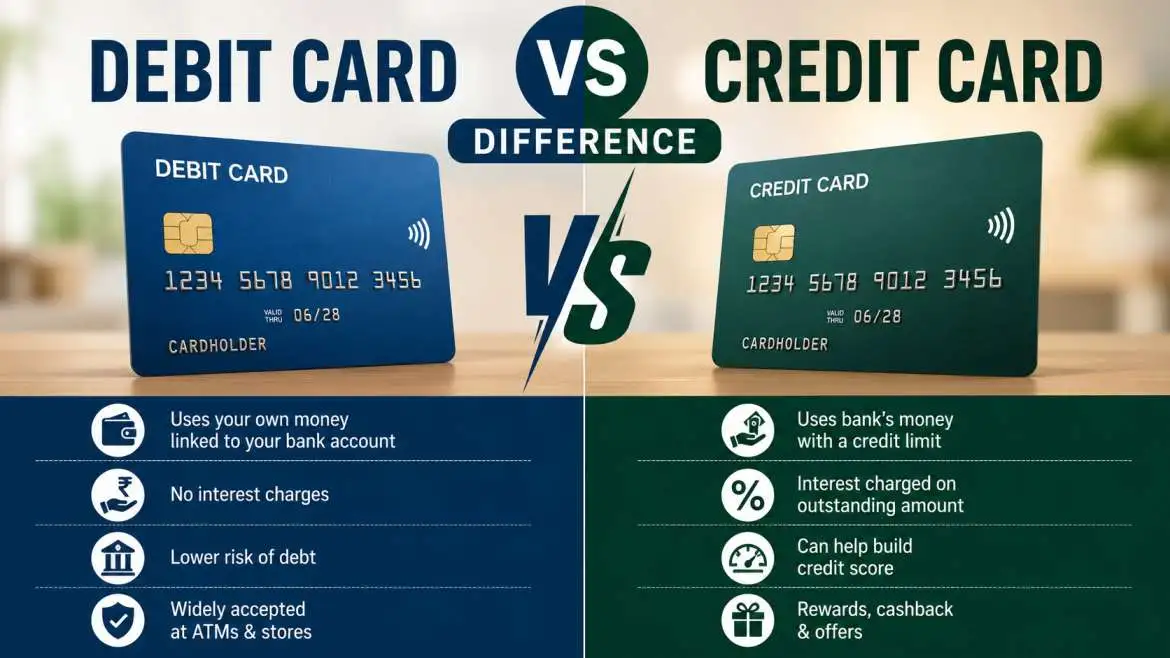
- Credit cards
It’s the part of banking that you interact with regularly, even if you don’t think about it that way.
Types of Bank Accounts in India
Now let’s make it even more practical. Most people don’t think in terms of “bank types,” they think in terms of accounts. The most common one is the savings account. It’s simple and does the job. Then there’s the current account, mostly used by businesses.
Fixed deposits are for people who prefer stability. And recurring deposits are for those who like saving a fixed amount regularly. Each one fits a different habit or need.
Digital Banking in India: The Big Change Everyone Felt

You don’t really need an explanation for this one — you’ve already experienced it. Digital banking in India changed behavior. People stopped visiting branches as much. Payments became instant. Even small vendors started accepting online payments. And once people got used to this speed, there was no going back.
So, What’s the Point of Knowing All This?
Honestly, you don’t need to memorize categories. But understanding the different types of banks in India helps you make better choices.
For example:
- Where should you open an account?
- Which bank is better for a loan?
- Why some services feel faster than others
Once you see how the system is structured, these decisions become easier.
Final Thoughts
The Indian banking system might look complicated from the outside, but when you break it down, it’s actually quite logical. Different banks exist because different people need different things.
From commercial banks in India to small finance banks, and from public sector banks India to fully digital platforms — everything has a role. And the interesting part is, you’re already using this system every single day, even if you’ve never thought about it in detail.
 in India.webp)