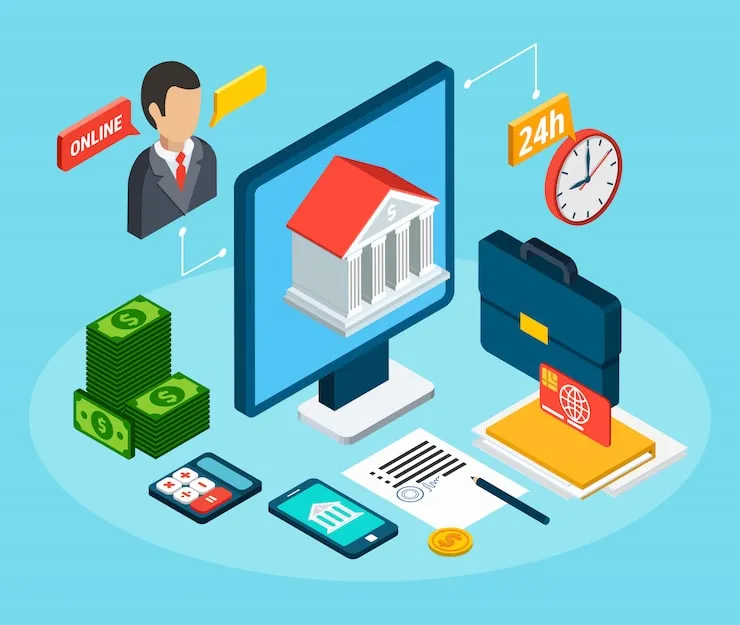
Going to select a bank would imply entering a large structure with marble-laid pavements and ironic doors. Now there are times when your bank fits in your pocket! The most important distinction between the digital and traditional banks is that the former is confined to your phone or your computer, whereas the latter is represented by the physical structures that you can walk into.
I have done years of testing between the two type of banks to determine which ones actually make people save more money. I have already opened dozens of accounts, interviewed bank managers, tried all possible apps. Since I have witnessed the way banking has transformed in 2026.
I can explain to you that the optimal option would be determined by your preference in dealing with your cash. This guide will be a repository of my professional secrets that will allow you to choose the best house with your budget.
Digital Banks vs Conventional Banks: Which is Better?
It is a fight between digital banks and traditional banks, but what do you hold dear to your heart. A neobank (also known as a digital-only bank) does not have any branches. This implies that they save a great deal of rent and electricity. They tend to repay that surplus to you by paying them high-interest rates and close to no fees.
Conversely, the traditional banks (or brick and mortar banks) are the ones that you find on the street. They possess face-to-face tellers. A traditional bank would most likely suit you in case you like to enter a building and shake hands. Both these are extremely safe provided they are FDIC insured and your money is therefore insured by up to 250,000 dollars.
You may also read :- Tips for Safe Online Banking in 2026
Exploring the World of Online Banking
Talking about the digital banks and traditional ones, we need to refer to apps. Digital banks are phone-first built. Their applications are normally quite quick and are cool in budgeting. It may only take you a picture of your ID to open an account that may take you less than five minutes.
The Perks of Going Digital
- Increased Interest rates: You can usually get a lot of interest on your savings.
- No Monthly Fees: The majority of them do not just charge you to have your account open.
- Your On-Time banking: You may do your banking at midnight in your pajamas!
Why People Still Love Traditional Banks
Despite all this modernized technology, traditional banks remain extremely popular. One big reason is cash. When you receive a large amount of birthday money in paper bills, then it is a lot easier to travel to a branch and insert it into the ATM or hand it over to a teller.
Conventional banks triumph in the digital banks vs conventional banks clash when it comes to serious life events. You may want to meet with someone to put you on the right path in buying a house or launching a large business. These are banks that provide tailored financial guidance, which a computer may not be capable of providing you at the moment.
Comparing the Costs: Digital Banks vs Conventional Banks
The most significant aspect of banking is money! Digital banks are known to be inexpensive. Since they do not have to rent thousands of buildings they do not have to nickel and dime you.
Understanding Bank Fees
Most traditional banks will impose a fee on you in case your balance dips. They could also charge you to use an ATM that does not belong to them. No fee banking is common among digital-only banks. Others will even recompense you when another bank ATM charges you!
Earning More with High-Yield Savings
To ensure that you grow your money, the Annual Percentage Yield (APY) offered by digital banks is usually better. They are just being fanciful in saying that they handle your cash more than they could put in their pockets, more money in your hands by way of thank you. Whereas at a large conventional bank you could be paid 0.01, online bank could be paying you 4.5 percent or even higher!
Safety and Security: Is Your Money Protected?
You would want to be sure that your treasure is safe, be it digital banks or conventional banks. Both of these kinds of banks apply a very powerful encryption to conceal your data to hackers.
The Importance of FDIC Insurance
Find logo FDIC (or NCUA in case of a credit union) before opening any account. This is a government promise. The government will give you back your money in case the bank is ever short of money. The digital and traditional banks are thus equally secure when it comes to keeping your savings.
Smart Security Habits for 2026
- Ensure Two-Factor Authentication (2FA): This will send you a code whenever you are logging in.
- Biometric Approach: Open your bank app with your fingerprint or face.
- Alerts: Have notifications to receive a text each time money is leaving your account.
Which One Should You Choose?
The choice between digital and traditional bank relies on the way of life. A digital bank will be quite popular with you in case you are a digital native, i.e. do everything on a smartphone. Stick with a traditional one in case you use cash on a daily basis and prefer going to the local branch.
Expert View: "The optimal solution in 2026 can and will be a hybrid solution. Store your spending money in a traditional bank and have easy access to cash but transfer your savings to a digital bank and earn them a lot of interest. As a financial tech researcher, I believe that the adoption of this technology impacts not just individuals but also the economy overall.
How to Switch Banks Easily?
There is nothing to fear in case you choose to switch to a digital bank. It is easy to move. You simply connect your two accounts and transfer the money with a simple push via the internet. The majority of individuals have discovered that a combination of a local bank and digital bank makes the most sense: a checking account and a high-fee savings account.
The Future of Banking: What's Next?
By the year 2026, the hole between digital banks vs conventional banks is getting smaller. Traditional banks are making better apps, and digital banks are finding ways to help with cash. We are indeed seeing AI banking associates that can talk to you and help you spare cash automatically!
Final Thoughts: Your Money, Your Choice
When we see at digital banks vs conventional banks, there is no wrong answer. It is all about how you want to connected with your cash. Advanced banks provide you more benefit and freedom, while routine banks give you a place to go and someone to talk to.
Start by looking at how you spend your cash this week. If you didn't utilize any cash and did everything online, a digital bank might be your modern best companion! Whichever you select, make sure to keep your passwords secure and keep an eye on your growing treasure.
Would you like me to make a comparison checklist to help you choose which specific bank brand is right for you?
Frequently Inquired Questions
Can I store cash into a advanced bank?
It is harder, but not impossible! A few digital banks let you store cash at stores like 7-Eleven or Walgreens. Others require you to store it at a conventional bank to begin with and then exchange it.
Are digital banks genuine banks?
Yes! As long as they have a banking permit and are FDIC-insured, they are fair as "genuine" as the bank on the corner.
Do conventional banks have apps as well?
Yes, nearly all of them do. However, advanced banks usually have more "fun" features like automatic savings objectives and moment investing trackerrs.
Which one is speedier for getting credits?
Digital banks are as a rule faster. They utilize computers to check your information instantly, while traditional banks might take a few days to have a human see at your papers.
 in India.webp)