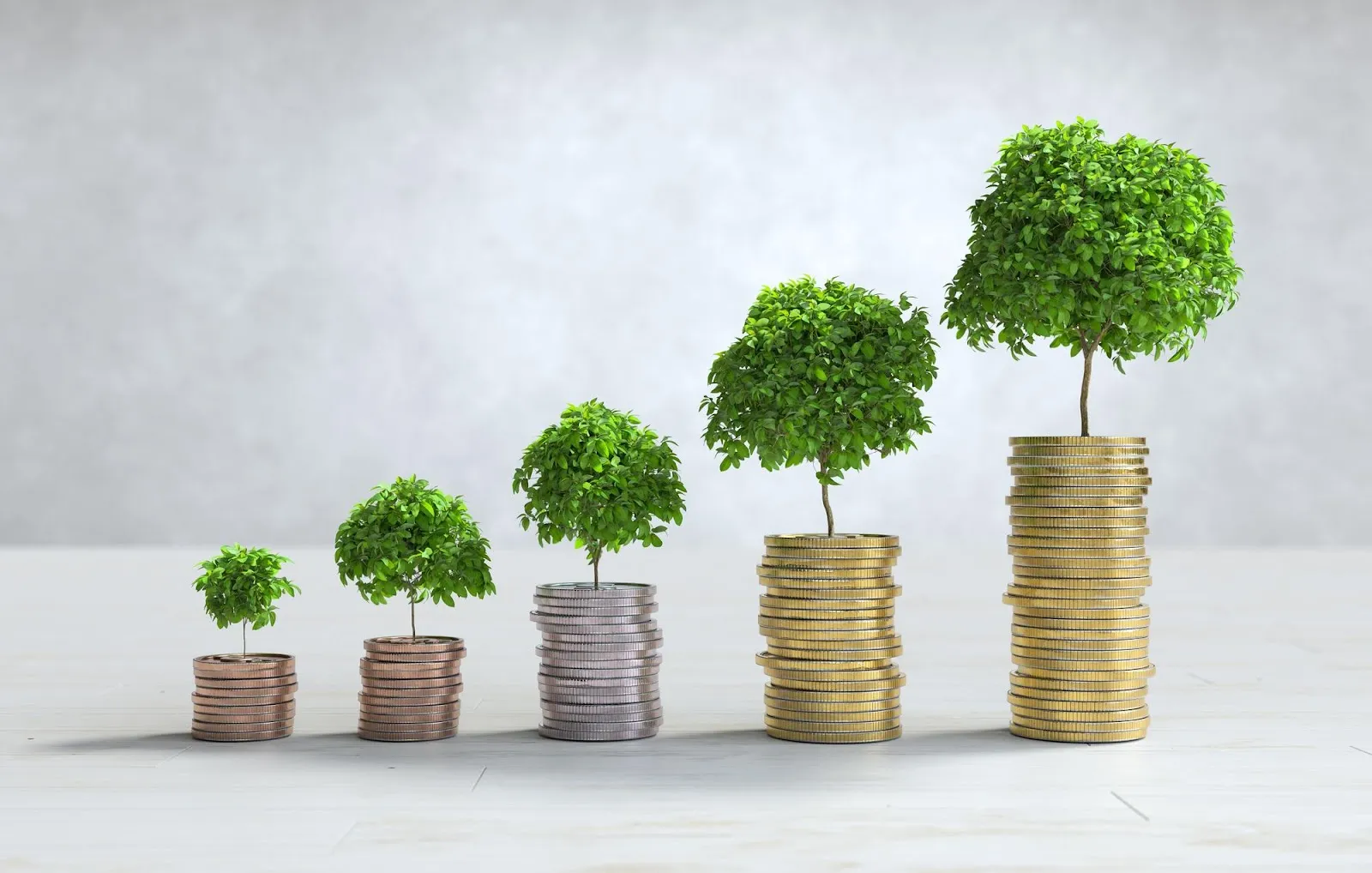
As you consider expanding your finances you may imagine busy individuals screaming at a TV display. However the more sure and easier way of growing your fortunes is a more silent approach which I have been applying all my life to remain financially secure. The secret of that is bond investing.
It is in fact very easy How to invest in bonds for beginners: in fact you are only being a bank and lending out your money to a large firm or the government. They on their part repay you in form of additional money that is referred to as interest.
It is a cordial I Owe You which makes your savings increase without the terrifying fluctuations of the stock market. I recall my first bond purchase; I felt so good knowing that I would get my next paycheck in a certain time!
What Exactly Are Bonds and How Do They Work?
Suppose your friend wants to open a lemonade business but they need to buy lemons at the cost of 10 dollars. You hand them the $10 and they say to you that they will give it back in a week with the addition of $1 to assist them. That is a bond!
In reality the large organizations such as the U.S. Treasury or well-known businesses require funds to finance large projects such as the construction of educational institutions or the creation of new toys. When you make a purchase of a bond you are a lender. They provide you with a piece of paper (nowadays it is completely digital) which states they will reimburse you.
You may also read :- 12 Business Ideas Without Investment
The Three Most Important Bond Parts

All you need to know to get started in investing in bonds is to know these three simple terms:
- Face Value: This is the initial sum you loan out (in this case it will be the $10 of lemons).
- Coupon Rate: This is the interest which they pay to you at a fixed interest.
- Maturity Date: It is the finish line date when they will reimburse your initial money.
How to Invest in Bonds for Beginners: Step-by-Step?
The world of 2026 is an easier place to start you journey. You do not have to be a millionaire to begin with. Actually, most individuals begin with only little as pocket change.
Step 1: Pick Your Investment Style
Would you like to choose the individual bonds on your own or you want a professional to do so? Bond ETFs (Exchange-Traded Funds) are adored by most new investors. These are similar to a gift-basket of numerous varied bonds. When you have an issue with one of the bonds, others in the basket have your back.
Step 2: Open a Brokerage Account
You have to have a digital wallet to store your bonds. One can be opened at Vanguard, Fidelity or Charles Schwab. It operates in the same way as a bank account but in investments.
Step 3: Choose Your Bond Type
As far as I am concerned, Government Bonds are the first step that should be taken by a newcomer. They are regarded as highly safe as the government will hardly ever manage to run away with your money.
Expert Quote: Bond investments are the safety belt to your investment ship. The waves on the stock market make you lose your balance, your bonds keep you stable when you near the edge. — Fixed Income Manager, Michael Plage.
How to Invest in Bonds for Beginners and Win?
Credit Ratings have to be looked into to win this game. Imagine this as one of those report cards of the company. An AAA-rated bond is a student of A +- almost perfect. A Junk Bond is similar to a student forgetting his homework, he may pay higher interest but he is far more risky!
Different Types of Bonds You Should Know
Not all bonds are the same. There are those that crawl as a slow and steady turtle and those that are somewhat closer to zipping.
Government Bonds (The Super Safe Choice)
These are debts to the nation. The gold standard is the Treasury Bonds. They nearly always pay you on time since the government is able to print money or to collect taxes.
Corporate Bonds (The Income Boosters)
They are borrowing to firms such as Apple or Disney. Since an enterprise may fail to exist (as opposed to a nation), they tend to give you a better interest rate to tell you thanks to have taken the risk.
Municipal Bonds (The Tax Savers)
These are lending to you local city or state to construct roads or parks. The best part? In some cases the money which you get due to such is tax-free and you can keep more of your gain!
Why Should Beginners Care About Bonds in 2026?
You may ask, why not leave my money in a piggy bank? Well, a piggy bank can never do it.
- Constant Cash Flow: Bonds are paid on a regular basis. It is comparable to receiving a mini-salary after every several months.
- Safety: The stock market may decrease by half its value within a single day, but bonds are much more consistent.
- Diversification: This is a large term that merely implied, do not put your eggs in the same basket. The best thing to do is to have bonds and stocks in place so as to increase wealth.
Understanding the Interest Rate Seesaw
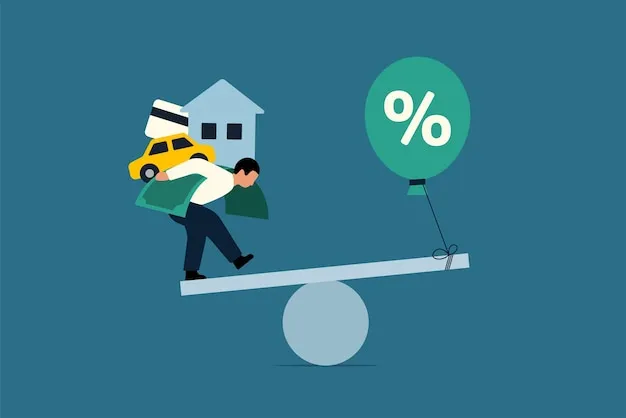
This is one of the tricks that I acquired: Bond prices and interest rates are like a seesaw. Bond prices are generally falling when the interest rates in the world rise. Bonds increase in value when the interest rates become lower. This is great to know so that you remain calm once you observe the movement of prices!
Common Risks for New Investors
Although bonds are not bad as stocks, they are not flawless. Be on the lookout of these two things:
- Inflation Risk: When the price of a loaf of bread and a gallon of milk increases at an extremely high rate, then your bond interest may not be able to purchase as many as before.
- Credit Risk: This occurs in case a company becomes troublesome and fail to repay you. Invest in investment-grade bonds to stay out of this!
Expert Tips for Your First Bond Purchase
My initial concern was that I would make the wrong decision. The following is what the professionals will recommend to your novice bond strategy:
- Start Small: Invest in a Bond Mutual Fund so that you can invest with $100 or less.
- Watch the Clock: Short-term bonds (1-3 years) are not risky as compared to long-term bonds (10-30 years) since you can get back your money quicker.
Summary of Bond Basics
| Feature | What it Means for You |
| Safety | High (especially Government bonds) |
| Income | Regular interest payments |
| Risk | Low to Moderate |
| Best For | Beginners and people who want steady growth |
Investing doesn't have to be a scary monster under the bed. By learning how to invest in bonds for beginners, you are taking a giant step toward being the boss of your own money. Just remember to start slow, check the "report cards" (ratings), and enjoy the feeling of your money working for you!
Would you like me to help you create a sample list of low-cost Bond ETFs to look at for your first investment?
Frequently Asked Questions
1. How much money do I need to start?
You can start with as little as $25 if you buy I-Bonds from the government or buy offers of a Bond ETF through your broker.
2. Can I lose cash in bonds?
Yes, if you offer a bond before its "finish line" (development) when interest rates are high, you might get back less than you paid. But if you wait until the end, you usually get your full amount back.
3. What is the "coupon" in a bond?
It's just a fancy word for the interest payment. Back in the old days, bonds were actual paper with little tickets (coupons) you would clip off and trade for cash!
4. Are bonds better than stocks?
Neither is "better." Stocks are for growing money fast (with more risk), and bonds are for keeping money safe and earning steady pay (with less risk). A good "money recipe" uses both!
 in India.webp)