Hello there! I’m so glad you’re here. You do not need to tell me why we are talking about this, because you have at some point in your life felt a knot in your stomach when the car is making a funny noise or when the fridge has just broken down. Being the one who has gone through the same set of surprises.
I can say the discovery of how to create an emergency fund was the best thing I have done to be more at ease. It has changed the feeling of financial fear to the feeling of preparedness. This guide will take you through all the processes using easy terms and understandable steps, like I would have liked somebody to have done for me.
What Is a Financial Safety Net, Really?
Understanding Your Emergency Fund
Let’s start with the basics. An emergency fund is not for going on vacation or buying a new TV. It is a reserve fund that you reserve to handle real, unforeseen issues. Consider it your financial security net or a rainy day fund.
Its role is to have your back in case life throws a curveball, say in the form of a sudden medical bill, major auto repair, or even a loss of a job. With this cash reserve, you will be able to absorb even the shock without going into debt or panic.
You may also read :- How to Cut Monthly Expenses Without Sacrificing Lifestyle?
Why a Buffer for Financial Shocks is Non-Negotiable
You may ask yourself whether this is a necessity. I did, too. The thing is, though, that with no savings even a minor unexpected cost will leave you months behind. You may be forced to use high-interest credit cards or loans, and this will distend the initial problem to a considerably large extent.
An emergency savings account saves your long-term aspirations, such as your retirement savings, since you do not need to rob them during an emergency. It is the basis of any good personal financial plan.
How to Start an Emergency Fund: Your First Simple Steps
Step 1: The Golden Rule—Pay Yourself First
The greatest secret to creating an emergency fund is to make your savings your priority bill. You should invest some of that in savings immediately you receive your pay before you can spend the remaining money on any other thing. This is referred to as paying yourself first, and it is the habit that makes everything achievable.
Step 2: Calculate Your Monthly Living Expenses
You will not know your goal in knowing your numbers. Don’t fret, this is not as difficult as this may sound! Take a piece of paper or a budget application and enlist your critical spending in one month. This includes:
- Housing: Rent or mortgage.
- Utilities: electricity, water, and gas.
- Food: Groceries (not takeout).
- Transportation: Car charge, gas, bus fare.
- Insurance: Health, car, and home.
- Debt Payments: Lowest loan payments.
Add it all up. This is your monthly bread—the price of your daily bread. This figure is the key to all that comes after.
How Much Cash Reserve Do You Actually Need?
Start Small: The $500 or $1,000 Goal
The conventional recommendation is to save three to six months of costs. Assuming you need to spend 2000 on essentials in a month, that would be a target of 6000 to 12000. That may be massive and intimidating. Do not let that, pray, prevent you! Financial experts are in agreement: begin with a mini-goal.
Target an initial emergency sum of $500 or one thousand dollars. This will be sufficient to absorb numerous run-of-the-mill spending shocks, such as a new tire or a trip to the vet. We have just scored our first goal, and it is a big one!
Build Up: Aim for 3-6 Months of Essentials
You can work towards the bigger goal by first having a starter fund. Why three to six months? That usually suffices to pay for a huge income shock, such as a loss of a job, until you get back on your feet. When your job is not so stable or you have family, target the higher level of that range.
Smart Strategies to Build Your Savings Fast
Make Saving Automatic and Easy
The easiest way to save? Don’t think about it. Arrange an automatic deposit out of your checking account into your savings account directly at the end of the payday. You need to begin with only $20 or 50 a paycheck. When it comes automatically, you do not lose the money, and your bank account is filled by means of nothing. This is the best advice of all financial planners.
Get Creative: Find Your Hidden Money
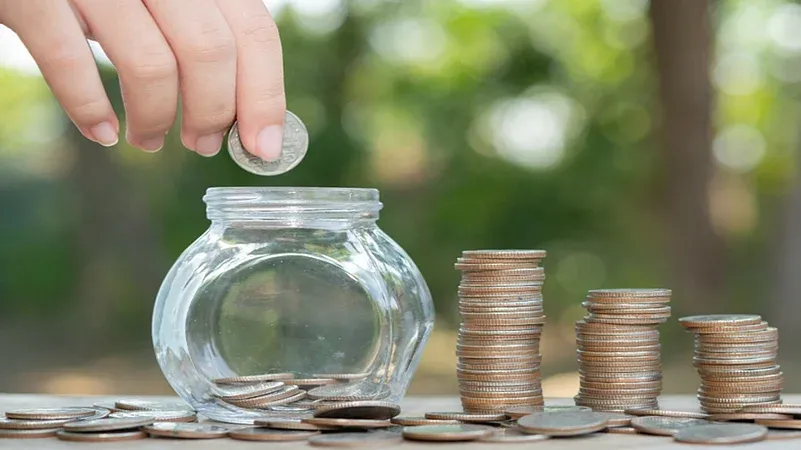
- The Change Jar: Pop your actual coins and small bills in a jar. When it’s full, deposit it.
- The Digital Round-Up: Roundup The feature of many bank apps is a round-up. When you spend 3.50 on coffee, it is rounded off to 4.00, and 0.50 goes to savings.
- Windfall Savings: Received a tax refund, bonus, or birthday cash? Immediately save all or part of it. This will make your fund supercharged.
- The Spending Cut: Unused Subscriptions (streaming, magazines) and Memberships. Cancellation will produce immediate savings that can be redirected.
Where to Keep Your Emergency Money Safe
Choosing the Right Savings Account
Your emergency money must be secure, convenient, and out of reach of your expenditure money. It should not be thrown into the stock market. The best places are
- High-Yield Savings Account: These are commonly found at online banks, and they pay you higher interest rates than their regular accounts, so as your money is sitting there, it is growing a little, albeit at a low rate.
- A Money Market Account: Money Market Accounts are offered by banks and credit unions and provide good access and can be provided with a debit card.
- Separate Account at Your Bank: The greatest aspect of this is that it does not get mixed with the everyday money. Name it something visible, such as DO NOT TOUCH Emergency Fund in your bank application.
When Should You Use This Emergency Money?
Defining a “True Emergency”
This is crucial. An emergency is dreadful, needed, and immediate.
- YES: A root canal, repairing a leaky roof, meeting bills when one loses a job, and some urgently needed car repair to get to work.
- NO: A vacation sale, an impulsive weekend outing, or an upgrade of a functional phone.
With clear rules, you will not be using the fund due to misplaced reasons and later regretting it.
The Final Step: Replenish and Breathe Easy
How to Rebuild After an Emergency
In case you have to spend your fund, then alright! That’s what it’s for. The second thing is to replace your emergency savings. Go to your automatic transfer plan and begin rebuilding. You have done it once, and you know that you can do it. It is aimed at ensuring that there is such a financial cushion to deal with the next shock.
It takes small steps to get your emergency fund started. It's not about being moneyed; it's about being smart and ready. You’ve got this! Start today, even with a few dollars. Your future self, who will be more secure, will be grateful.
Frequently Asked Questions
Q: I have debt. Is it best to save as an emergency or to clear debt?
A: This is a common dilemma. Financial coaches suggest a middle way. First, prepare a very little emergency fund (as little as $500) to save in order that you do not run even further into debt when a surprise bill strikes. Next, concentrate on the repayment of high-interest debt, such as credit cards. Then, revert to creating your complete 3-6 month fund.
Q: Does that mean that I should not have my emergency fund where?
A: Keep your money locked up (such as in long-term Certificates of Deposit, which impose a penalty on withdrawals) or at risk of depreciation (such as in the stock market, cryptocurrencies, or even bonds). Liquidity and safety are the keys.
Q: What about saving a little?
A: Start anyway! Heather Winston, a financial expert, recommends that you should save as much as you can and for as long as you can. Fifty dollars a week or a jar of coins is just the place to begin. The starting level of the habit is not as significant as the amount.
Q: Is there any government assistance in saving?
A: Yes, in some places. Indicatively, in the UK, someone can be eligible for the Help to Save scheme in case they receive some benefits, which will add a 50% bonus to their savings. See the local government or a credit counselor who is a non-profit for local programs.

 in India.webp)